Fiscal Accountability & School Capacity
Build for real growth. Count the full cost.
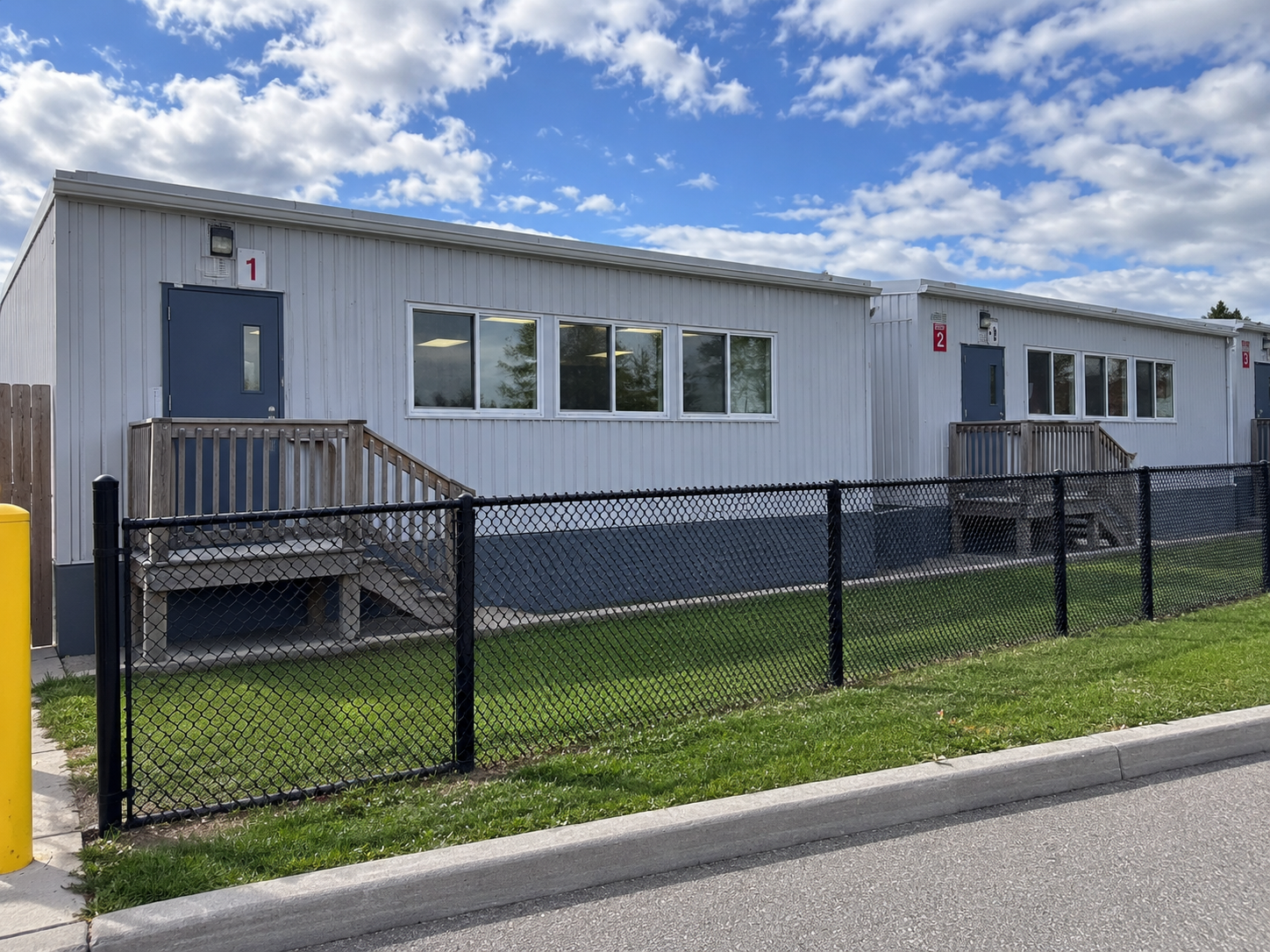
End the reliance on “temporary” portables
Portables can help during renovations, boundary changes, or unexpected increases in enrolment. The problem is when they become a long-term solution to growth we can already see coming.
A portable may be brought in as a temporary solution, but it often stays much longer. A study of nearly 2,700 Ontario schools found that 45% had portables for five to 10 straight years. Almost one-third had them for eight to 10 years. The study was published in the Canadian Journal of Education.
Milton is growing quickly. New neighbourhoods are filling up, more children are entering our schools, and some schools are relying on portables shortly after opening. When that happens, we need to question whether the original projections and permanent capacity were realistic.
Why this matters
A well-maintained portable can provide usable classroom space. But long-term reliance on portables creates pressure across the entire school:
- Less outdoor and play space.
- Crowded parking lots, drop-off areas, washrooms, and shared spaces.
- Longer walks to the gym, library, and student-support areas.
- Added maintenance, heating, cooling, ventilation, and technology needs.
- Libraries, technology rooms, and special education spaces being converted into regular classrooms.
The cost of underbuilding also needs to be counted. Portables require purchasing or leasing, site servicing, maintenance, and eventual replacement. Families may also face repeated boundary changes and transportation disruptions.
Full cost accounting
Every major capacity decision should consider the full long-term cost, including:
- Building permanent classroom space.
- Purchasing, installing, maintaining, and replacing portables.
- Site servicing and infrastructure upgrades.
- Lost outdoor space and pressure on libraries, special education rooms, and other shared spaces.
- The cost and disruption of repeated boundary changes or future additions.
The least expensive option today may cost more over time. Fiscal responsibility means comparing the full cost before making a decision.
What I’ll fight for
A public capacity tracker showing each school's permanent capacity, enrolment, utilization rate, portable count, projections, and planned solution.
Low-, medium-, and high-growth forecasts for new schools and major additions.
Earlier action when a school is approaching capacity, before overcrowding becomes the norm.
A public explanation and permanent-space plan for every portable that remains beyond four years.
Full cost comparisons between permanent construction and the long-term cost of portables, maintenance, site servicing, and boundary changes.
Protection for libraries, technology rooms, special education spaces, and small-group learning areas.
What this means
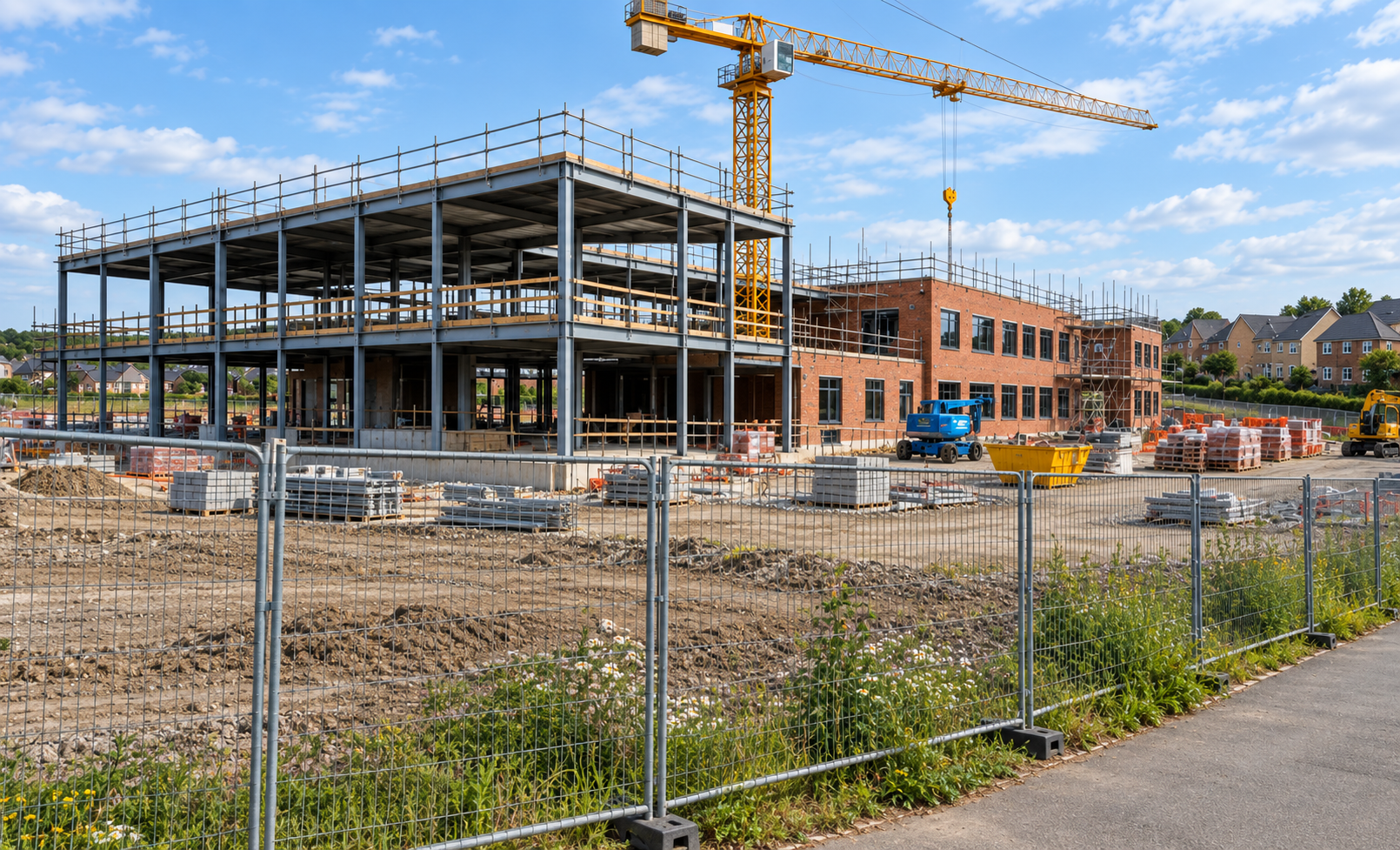
Fiscal responsibility isn’t simply choosing the least expensive option at the beginning. It means looking at the full cost and planning for what Milton will realistically need.
Our schools should be built and expanded for actual growth, not planned around “temporary” classrooms that remain for a decade.
Sources
- Financial Accountability Office of Ontario, Ontario School Boards: School Building Condition, Student Capacity and Capital Budgeting — Explains how school boards assess permanent capacity and use portables when enrolment pressure is expected to be temporary. fao-on.org
- Andrés Riveros, The Overreliance on Portable Classrooms in Ontario Schools, Canadian Journal of Education — Provides the Ontario data on how many schools use portables and how long they remain in place. cje-rce.ca
- Western University, School Portables Are a Symptom of Overcrowding, Not a Solution — Summarizes the Ontario research and discusses the effects of long-term portable use. uwo.ca
- Lawrence Berkeley National Laboratory, Ventilation Rates and Health in School Classrooms — Reviews evidence concerning classroom ventilation, indoor air quality, and student health. eta-publications.lbl.gov
- Sadrizadeh et al., Indoor Air Quality and Health in Schools: A Critical Review for Developing the Roadmap for the Future School Environment — Reviews more than 300 studies on school indoor air quality and its relationship to health, comfort, and learning. mdpi.com